How a Sweet Script Font Transformed My Small Business Branding
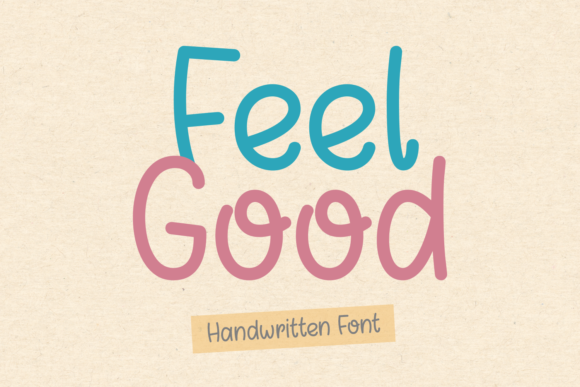
It all started when I was printing new thank-you cards for my small candle-making business. I had a great design, but something felt off. The text looked generic, like it could belong to any brand. I realized that the font I was using didn’t reflect the warmth and care that went into each candle. That’s when I discovered Feel Good, a whimsical script font that gave my brand a fresh, personalized look and feel.
Feel Good is more than just a pretty font—it’s a design tool that brings personality to every touchpoint of your business. Whether you're printing product labels, designing social media posts, or creating packaging, this script font adds a sweet, hand-crafted charm that customers instantly connect with. It’s the kind of font that makes your brand feel approachable, yet polished.
Why Typography Matters for Small Businesses
As a small business owner, I used to think typography was just about picking a font that looked nice. But over time, I realized how much it impacts brand perception. The right typeface can make your business feel more trustworthy, professional, and memorable. When I switched to Feel Good for my candle labels, customers started commenting on how “cozy” and “authentic” my branding felt.
Typography shapes first impressions. Whether it’s a menu at a local café, a sticker on a handmade soap bar, or a logo on a business card, the font you choose tells a story before your words even do. Feel Good tells the story of creativity, warmth, and attention to detail.
Where to Use Feel Good for Maximum Impact
This font shines in short, impactful text like logos, packaging titles, and social media graphics. I use it for my candle jar labels and Instagram story headers. It’s perfect for headlines, product tags, and thank-you notes—places where you want to catch attention with a friendly, elegant look.
- Logo design for a boutique or coaching brand
- Packaging for handmade soap, candles, or baked goods
- Labels for skincare products or artisan teas
- Menu headings for a cozy café or bakery
- Social media banners and online shop graphics
Because of its flowing script style, it’s best used for short phrases rather than long paragraphs. This helps maintain readability while still delivering a strong visual impact.
Real-Life Examples That Make a Difference
Let’s say you own a small bakery and are redesigning your cupcake boxes. Using Feel Good for the bakery name gives the packaging a playful, inviting look. Or imagine a skincare brand printing a label for a handmade lotion—this font adds a sense of care and craftsmanship. Even digital assets like website banners or email headers benefit from the soft, whimsical feel of this script font.
One of my favorite uses is for thank-you cards. It’s a small detail, but when customers receive a hand-signed card with a custom font, they notice. It makes your brand feel more personal and intentional, which builds loyalty over time.
Readability Tips for Practical Use
While Feel Good is beautiful, it’s important to use it thoughtfully. On small labels or mobile screens, keep the text short and ensure there’s enough contrast between the font and background. I always test how it looks on printed packaging before finalizing the design. For digital use, I make sure the font is clear even at thumbnail sizes.
When using script fonts like this, spacing matters. Don’t crowd the text with too many other design elements. Let the font be the star of the show, especially when used for logos or product names.
Pairing Feel Good with Other Fonts
One of the best things about Feel Good is how well it pairs with other fonts. I often combine it with a clean sans serif like Montserrat or Open Sans for body text. This creates a nice visual contrast while keeping the overall design cohesive.
For a more elegant look, try pairing it with a serif font like Playfair Display. If you’re going for a fully hand-crafted aesthetic, use another handwritten font for secondary text. Just remember to keep font pairings simple—usually one bold font and one neutral font work best together.
What to Check Before Using Feel Good
Before downloading and using any font, especially for commercial purposes, always check the licensing. Feel Good is available as a commercial font, so it’s safe to use in product packaging, digital downloads, and client work.
Also, check what file formats are included. Most premium fonts come in OTF and TTF, which are compatible with most design software. Look for alternates and ligatures that let you customize the look of the font for different projects.
Creating a Consistent Brand Identity
Switching to Feel Good helped me unify my brand visuals. My candle labels, Instagram posts, and thank-you cards all now share a consistent visual language. This makes my brand easier to recognize and builds trust with customers.
Consistency matters more than most small business owners realize. When every piece of your brand—from your packaging to your website—feels connected, it gives customers confidence that you’re professional and detail-oriented.
Final Thoughts
If you're looking to refresh your brand without a full redesign, try updating your typography with a font like Feel Good. It’s a small change that makes a big difference. Whether you’re a baker, candle maker, skincare creator, or café owner, the right script font can elevate your brand and help you connect with your audience in a more personal way.