Mithin: A Timeless Handwritten Font for Modern Web Design
As a web designer, choosing the right font can make or break a digital experience. Mithin stands out as a versatile and elegant handwritten font that blends personality with usability. Its flowing strokes and organic rhythm make it ideal for designers looking to inject warmth and authenticity into their projects without sacrificing readability.
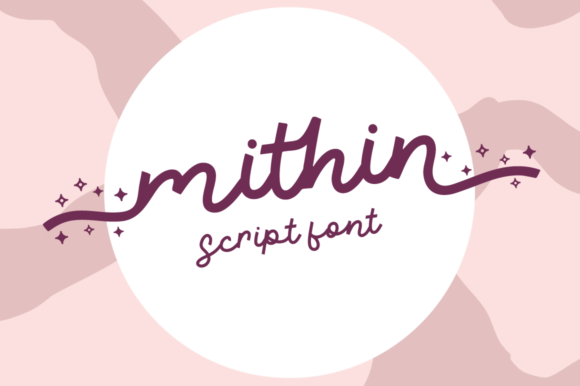
At its core, Mithin is a script font that feels both modern and classic. Each character has a soft, personal touch that mimics natural handwriting, yet maintains a clean and intentional structure. This balance makes it suitable for a wide range of digital applications, from elegant logo treatments to expressive landing page headers. Unlike overly stylized fonts that can become distracting, Mithin retains clarity, especially at larger sizes, making it a reliable choice for visual hierarchy.
Where Mithin Shines in Web Design
In digital product design, context matters. Mithin performs exceptionally well in header areas, hero sections, and branding elements where a human touch enhances emotional connection. For instance, a creative portfolio site benefits from Mithin's expressive nature in the main title, helping to establish a designer’s unique voice. Similarly, boutique online stores can use Mithin in logo headers or promotional banners to convey craftsmanship and care.
When used strategically, Mithin elevates landing page elements like call-to-action buttons and short promotional phrases. Its legibility at medium to large sizes ensures that key messages remain clear, especially when paired with a clean sans serif font for supporting text. This contrast between decorative and functional typefaces helps guide the user’s eye and improves overall layout rhythm.
Readability and Visual Hierarchy
Readability is a key concern when integrating any script font into a responsive design. Mithin works best when reserved for short, impactful text rather than long-form content. On mobile screens, it maintains clarity when used at appropriate sizes—ideal for app screens, mobile banners, or digital product headers. Designers should avoid using Mithin at very small sizes or in low-contrast settings, such as dark backgrounds with light text, unless carefully adjusted for legibility.
For visual hierarchy, Mithin excels in section headers, hero titles, and branding elements. It pairs well with neutral sans serif fonts like Montserrat or Open Sans, allowing the decorative nature of Mithin to stand out without overwhelming the layout. This combination supports a clear reading path and reinforces brand tone across different screen sizes.
Brand Identity and Consistency
Consistency in digital branding is essential for building trust and recognition. Mithin’s unique character set and alternate glyphs offer flexibility for designers to create distinctive brand treatments across websites, social media graphics, and digital assets. Whether used in a coaching website’s tagline or a course sales page headline, Mithin communicates approachability and creativity.
For SaaS founders and bloggers, Mithin can serve as a signature accent in logo design or featured content headers. When used consistently across a site or app, it becomes part of a cohesive visual language that strengthens brand recall. Designers working on digital brand kits will appreciate how Mithin complements both minimalist and expressive layouts, depending on how it’s applied.
Font Pairing Strategies
Effective font pairing is crucial for maintaining balance and readability in web design. Mithin pairs beautifully with clean, modern sans serif fonts for body copy and navigation menus. This contrast ensures that the decorative qualities of Mithin are highlighted without compromising usability. For more editorial-focused sites like blogs or content platforms, pairing Mithin with a serif font like Merriweather or Georgia can create a refined, magazine-style aesthetic.
Designers should also consider weight and spacing when combining Mithin with other typefaces. Since it’s a script font, using it at a slightly larger size with ample line spacing enhances legibility and visual flow. Avoiding tight kerning or cramped layouts ensures that the font’s natural rhythm remains intact, especially on smaller screens.
Technical Considerations for Web Use
Before implementing Mithin in a live project, it’s important to review the font’s technical specifications. Ensure that the font includes web-optimized formats such as WOFF and WOFF2 for efficient loading. Many modern fonts like Mithin come with multiple stylistic alternates, ligatures, and multilingual support, which can be valuable for international brands or multilingual websites.
Designers should also test Mithin across different devices and background colors. While it performs well on light backgrounds, using it on dark or image-based backgrounds may require subtle adjustments like letter spacing or text shadows to maintain clarity. Previewing the font in real-world contexts—such as a promotional banner with a background image—ensures it remains effective and readable.
Licensing and Commercial Use
When using Mithin for client work or commercial projects, always verify the licensing terms. Many premium fonts come with clear guidelines for web use, including how they can be embedded in websites, online stores, or digital templates. Proper licensing ensures legal compliance and protects both the designer and the client from potential issues down the line.
For SaaS platforms, landing page builders, and theme developers, it’s especially important to confirm that the font license covers webfont usage and distribution. Some font licenses may require a separate extended license for use in downloadable templates or branded assets intended for resale.
Final Thoughts
Mithin is more than just a decorative script font—it’s a functional design asset that enhances digital branding, readability, and user engagement. Whether used in a product landing page, blog header, or creative portfolio, its timeless appeal and thoughtful design make it a standout choice for web designers and digital creators. By understanding its strengths and limitations, designers can harness Mithin to craft web experiences that feel both authentic and professional.